
an immersive atlas of justice, memory and possibility



The Hope Gap XR is an immersive storytelling platform built to close the distance between what we support and what we believe is possible.
We treat imagination as civic infrastructure. Working across geographies and issue areas, we translate research, policy, and community archives into embodied experiences — integrating immersive storytelling, somatic practice, and brain health research to strengthen collective imagination.
Our core theory: the capacity to imagine just futures is constrained not by a lack of empathy, but by the architecture of information — who controls it, how it circulates, and whose stories are deemed credible.
When histories are rendered invisible, imagination narrows.
We claim expansion.
what if justice wasn’t a dream but a direction?
The Hope Gap XR builds on existing research and public discourse across the U.S. reparations movement, climate justice, repatriation of cultural artifacts, and other evidence of social progress, as well as insights across psychology, education, economics, and public health worldwide.
These bodies of work inform the experience, translating data and story into an immersive environment that invites reflection, dialogue, and generative thinking.
If interested in hosting an exhibition at your museum, team retreat, conference, or convening, contact us.
For more on the stories, scholars, and movement that inform this work, see our intellectual lineage.



“isn’t the foundation of activism faith in what could be?"
- anana curtis

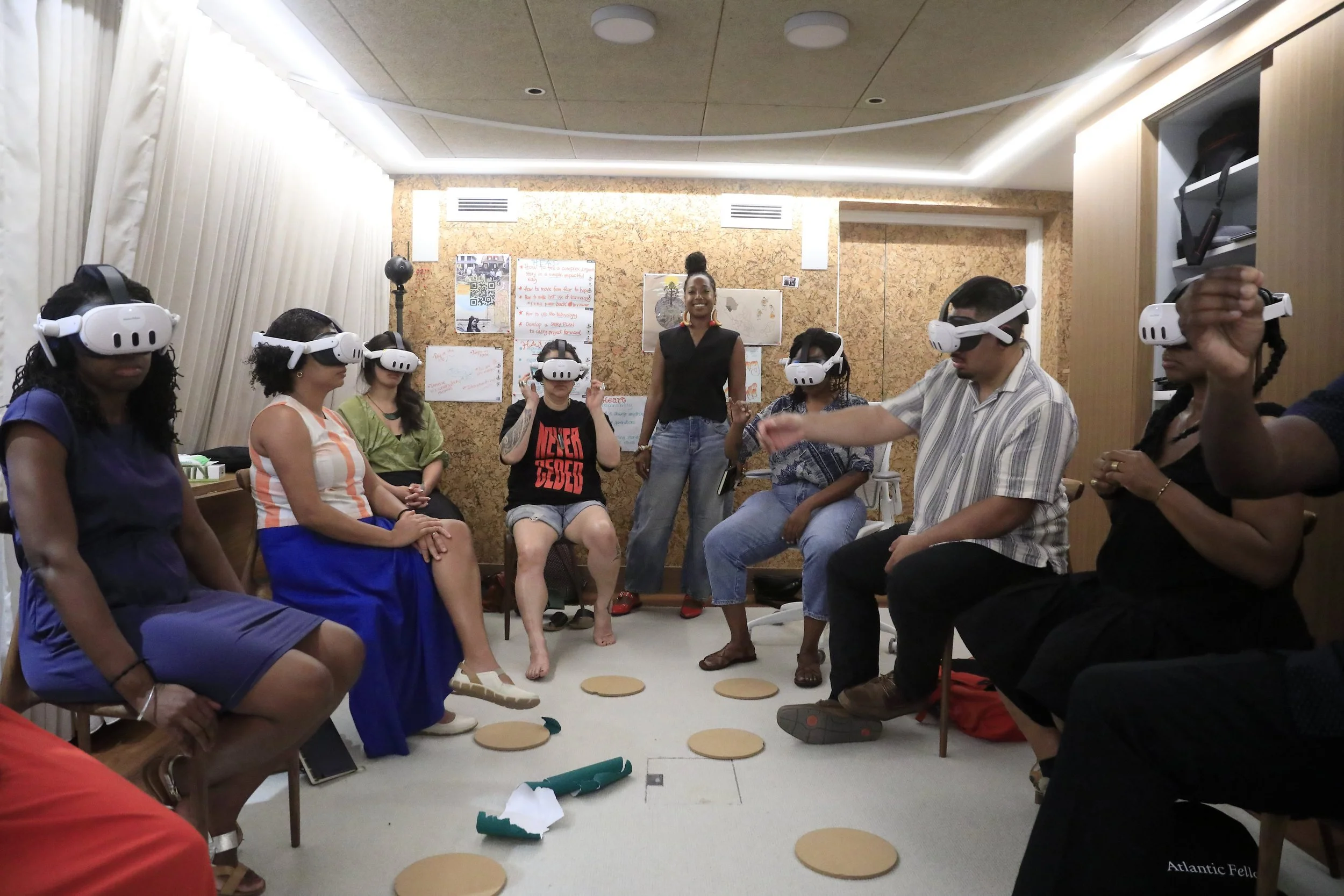
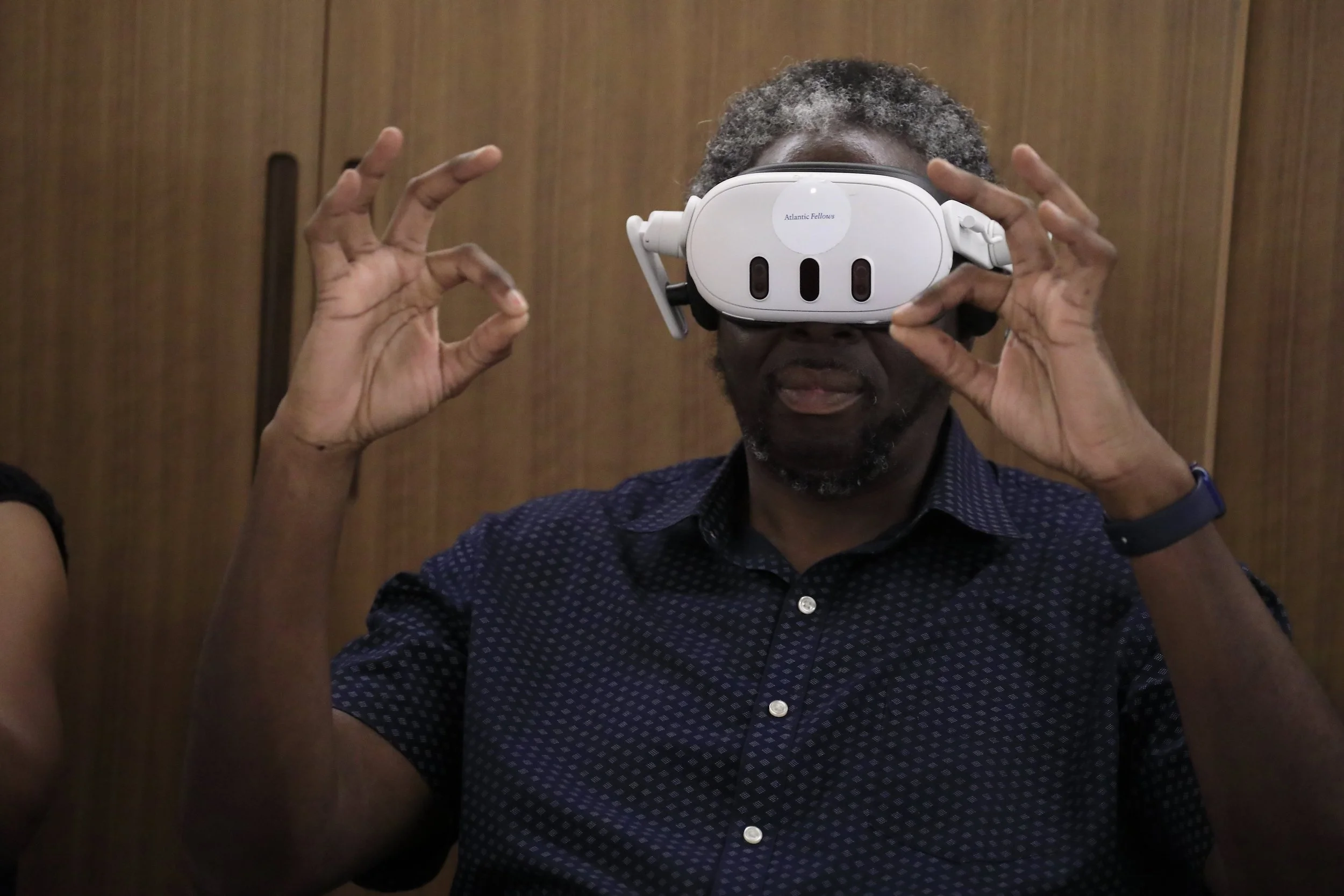
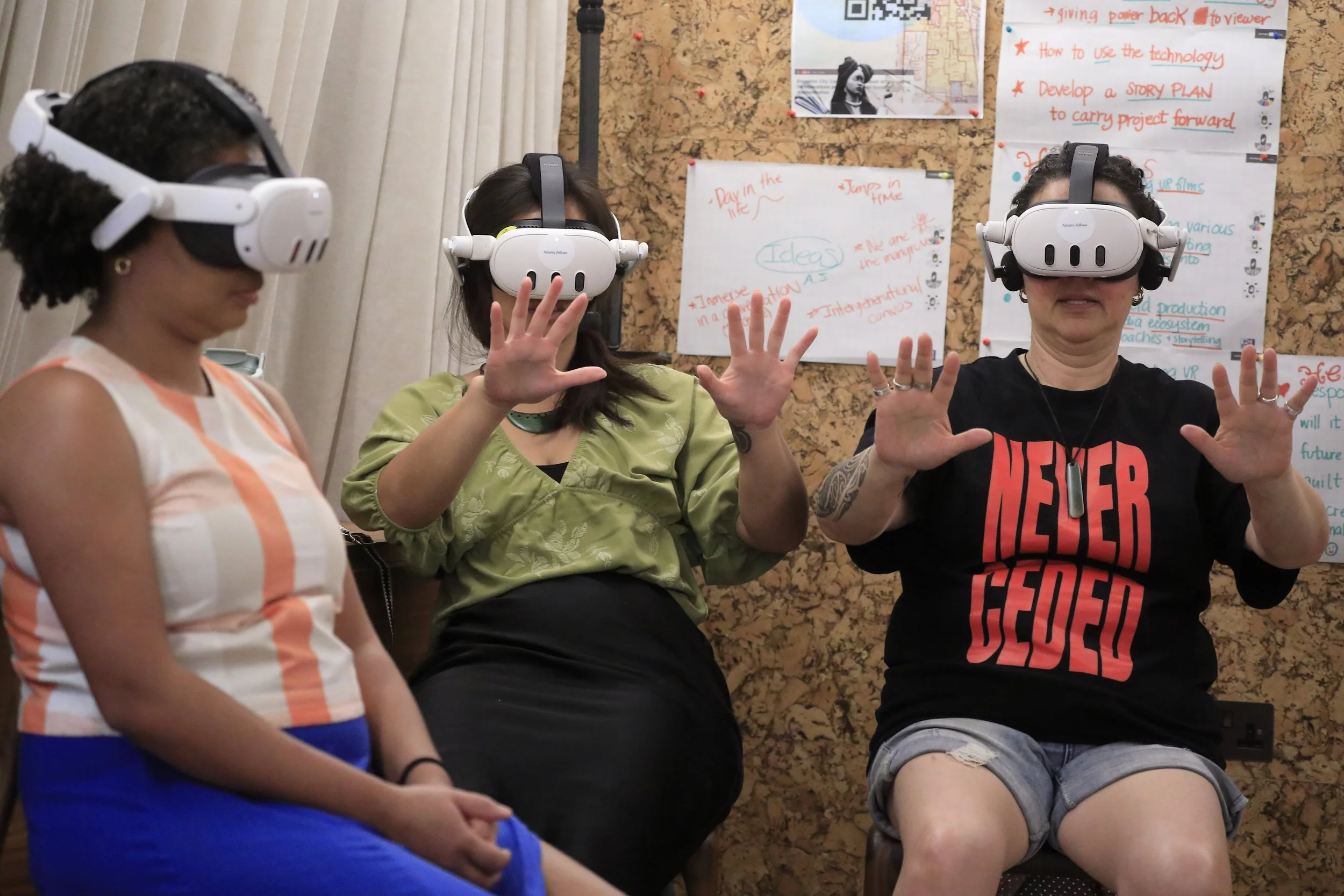
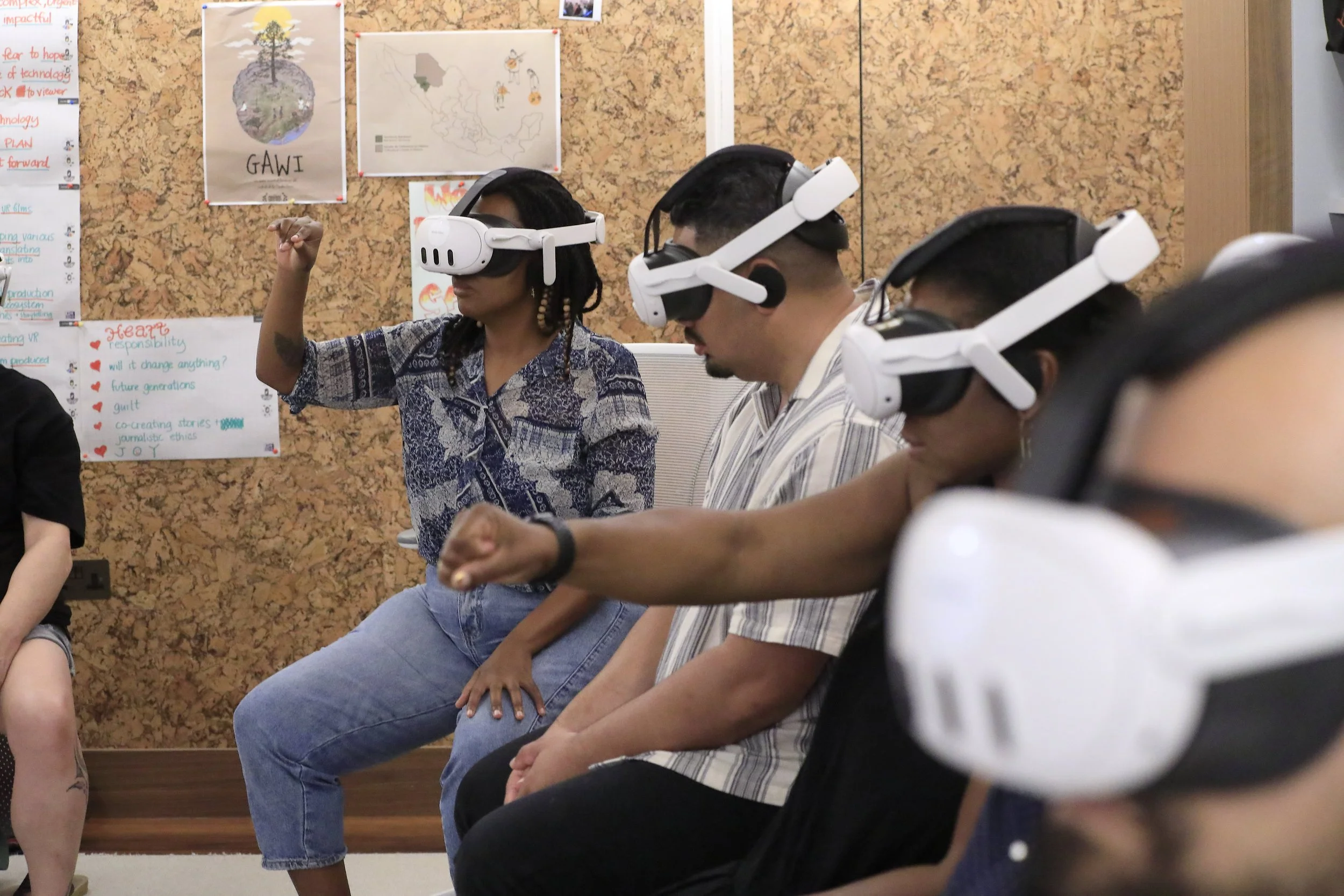
the hope gap xr premieres in oxford, uk
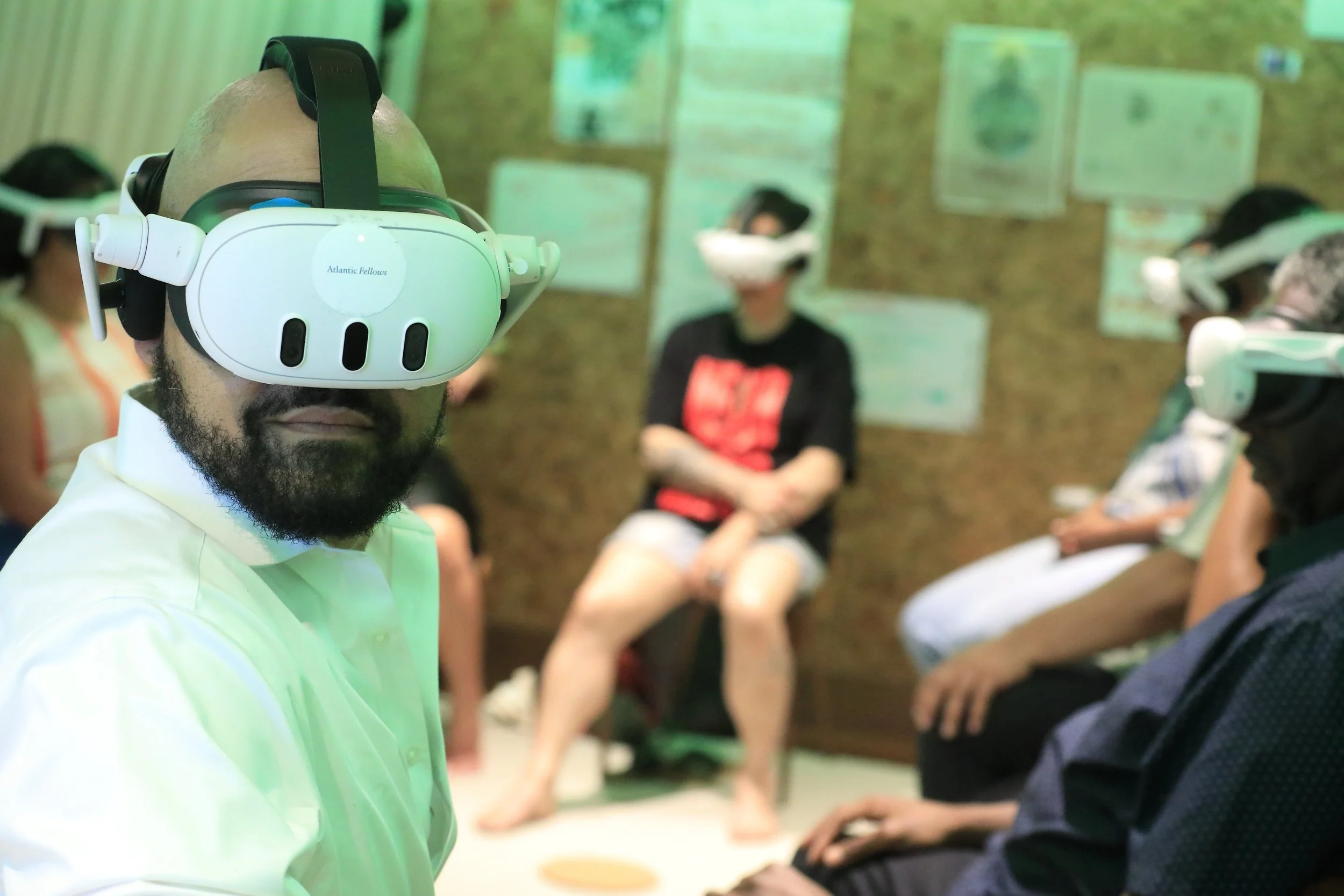
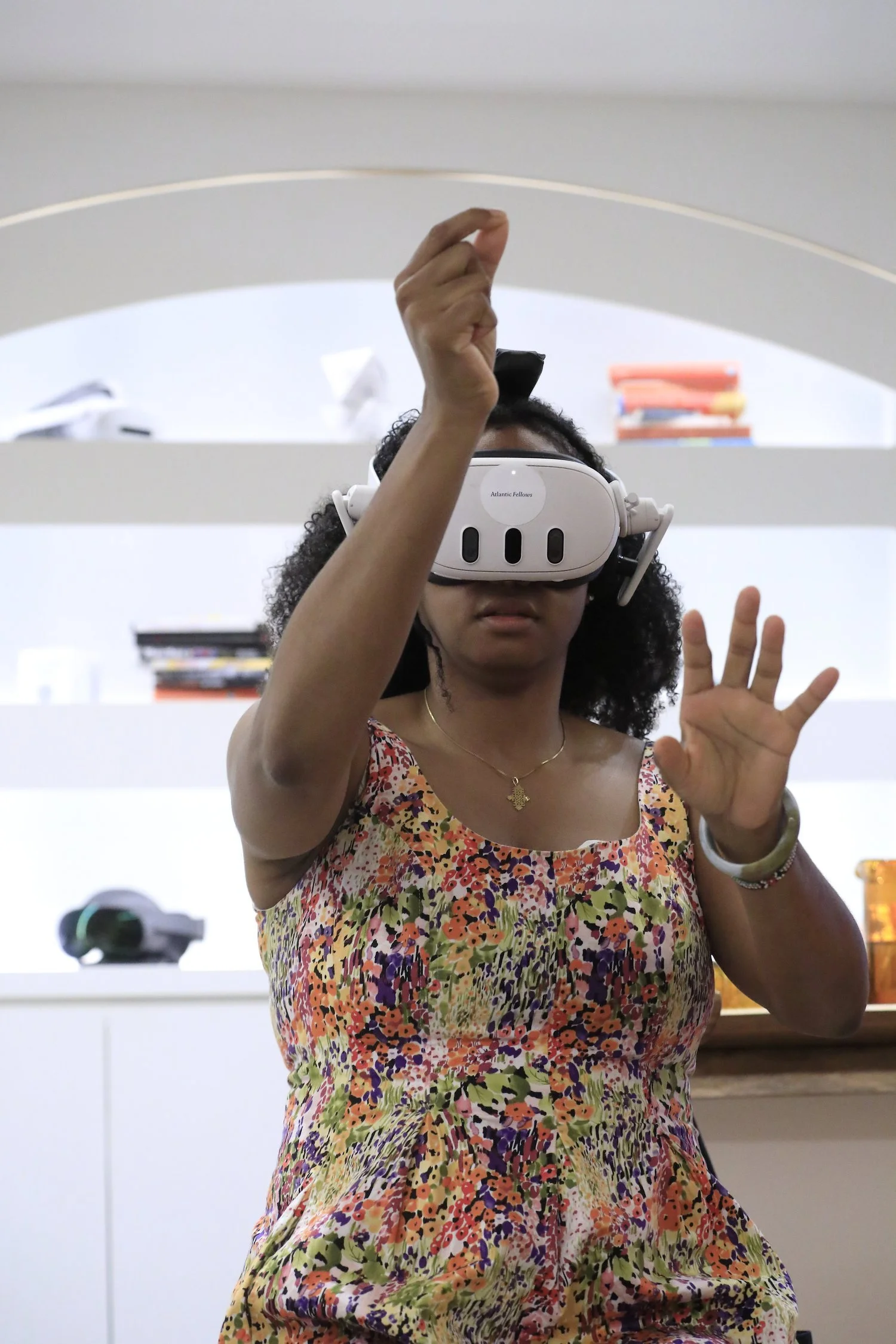
In July 2025, The Hope Gap XR work-in-progress premiered during the Atlantic Institute’s Global Convening, held at Oxford University in the United Kingdom. This experience tested concepts of immersion as empathy, storytelling at scale, and embodiment of hope.



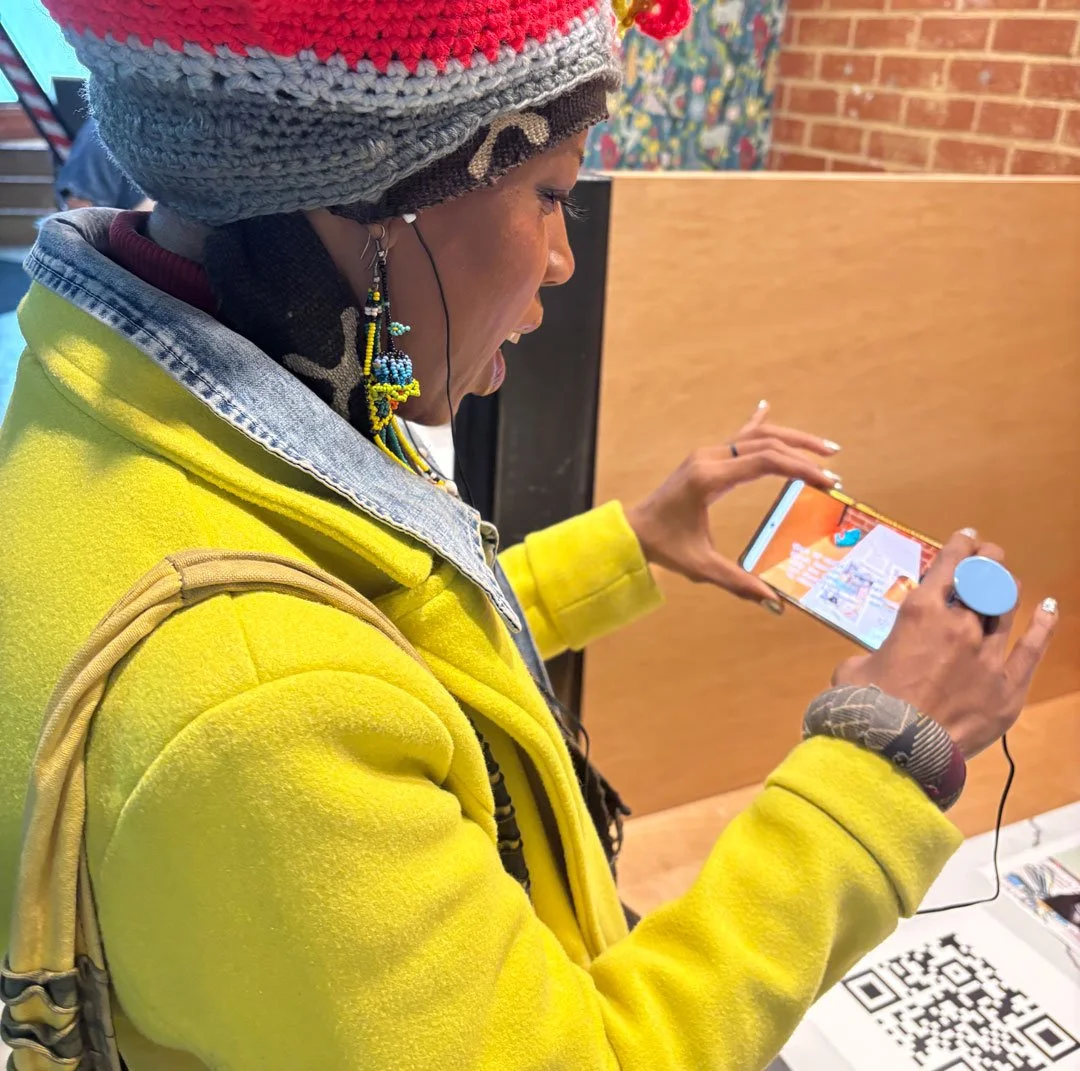
proof of concept: windows of opportunity
“Windows of Opportunity” is a mobile phone-powered, augmented reality (AR) experience inspired by Linda Bilmes and Cornell William Brooks’ research on “Normalizing Reparations.” Set to a soundscape of policies that set precedents for reparations, the experience visualizes key symbols within Evanston, Illinois’ reparations movement — the first municipally-funded reparations policy in the United States.
subscribe for updates
currents of repair, channels of progress